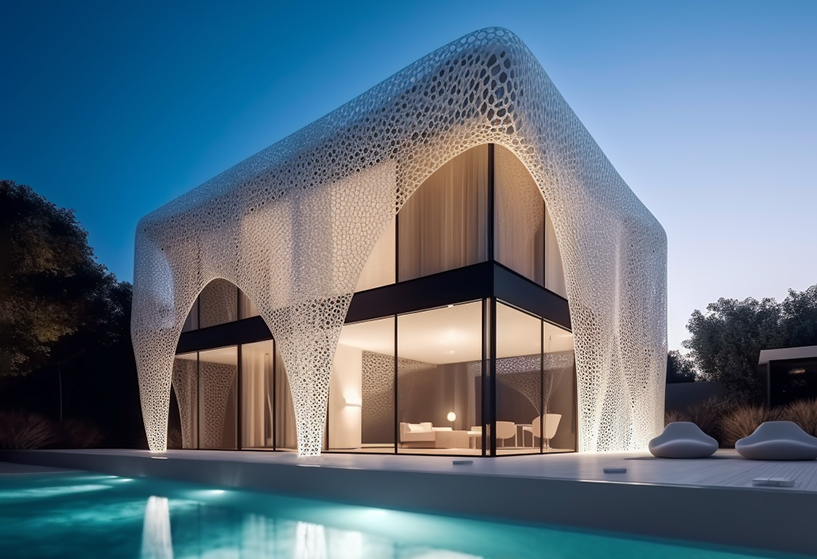
As we enter into 2023, the field of architecture is set to experience a significant transformation with the emergence of more developed AI models generating realistic 3D renderings and architectural visualizations. This advancement in technology is expected to have a profound impact on architects and 3D artists, as they will be required to adapt to these new tools to remain competitive in the industry.

Retail interior generated using Midjourney
The integration of AI in architectural visualization has been growing rapidly in recent years, and 2023 will see a significant acceleration of this trend. AI-powered algorithms and machine learning techniques are being used to generate more realistic and detailed 3D models, textures, lighting, and materials, making it possible to produce highly realistic architectural visualizations in a fraction of the time it would take with traditional methods.

Santorini-inspired villa generated using Midjourney
With the use of AI, architects and 3D artists will be able to create more complex designs and renderings, while at the same time reducing costs and shortening project timelines. These tools will also enable architects and 3D artists to experiment with a wider range of design options and iterate more quickly on their ideas, which can lead to more creative and innovative solutions.

Conceptual Zaha Hadid complex in the tropical mountains generated using Midjourney
However, the rise of AI-generated architectural visualizations also raises concerns about the future of the architecture industry and the potential displacement of 3D artists. While AI can generate realistic renderings, it still requires human input to create designs that are functional and aesthetically pleasing. Architects and 3D artists will need to adapt to these new tools and learn how to integrate AI into their workflows to remain relevant and competitive.
Furthermore, AI-generated renderings may not always be suitable for all projects, and architects and 3D artists may need to rely on their expertise and experience to make judgments on when and how to use these tools effectively. Additionally, there will always be a need for human creativity and critical thinking in the architecture industry, as these skills cannot be fully replicated by AI.
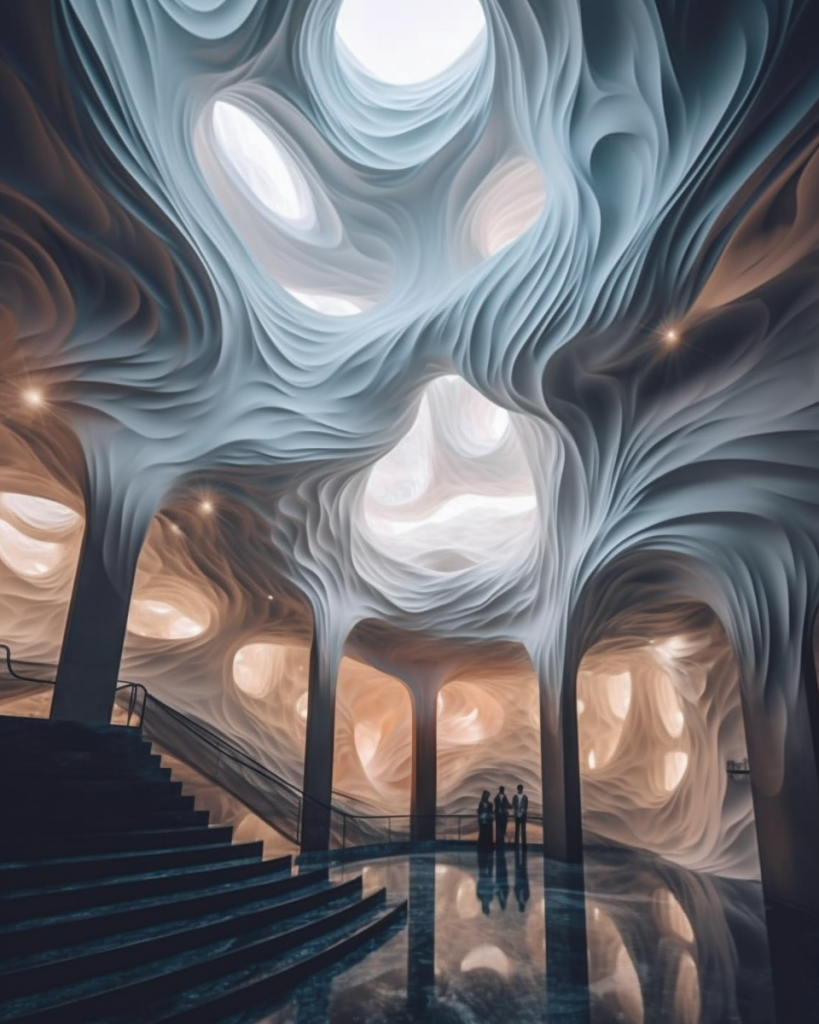
Intricate ceiling design inspired by Van Gogh’s Starry Starry Night generated using Midjourney
In conclusion, the emergence of more developed AI models generating realistic 3D renderings and architectural visualizations in 2023 will have a significant impact on the architecture industry. While it will bring significant benefits such as increased efficiency, reduced costs, and greater creative possibilities, it also poses challenges that architects and 3D artists will need to address. By embracing these new tools and learning how to integrate AI into their workflows, architects and 3D artists can position themselves to thrive in the rapidly evolving landscape of the architecture industry.
Article written by ChatGPT. Images generated by Maricar de Dios using Midjourney.
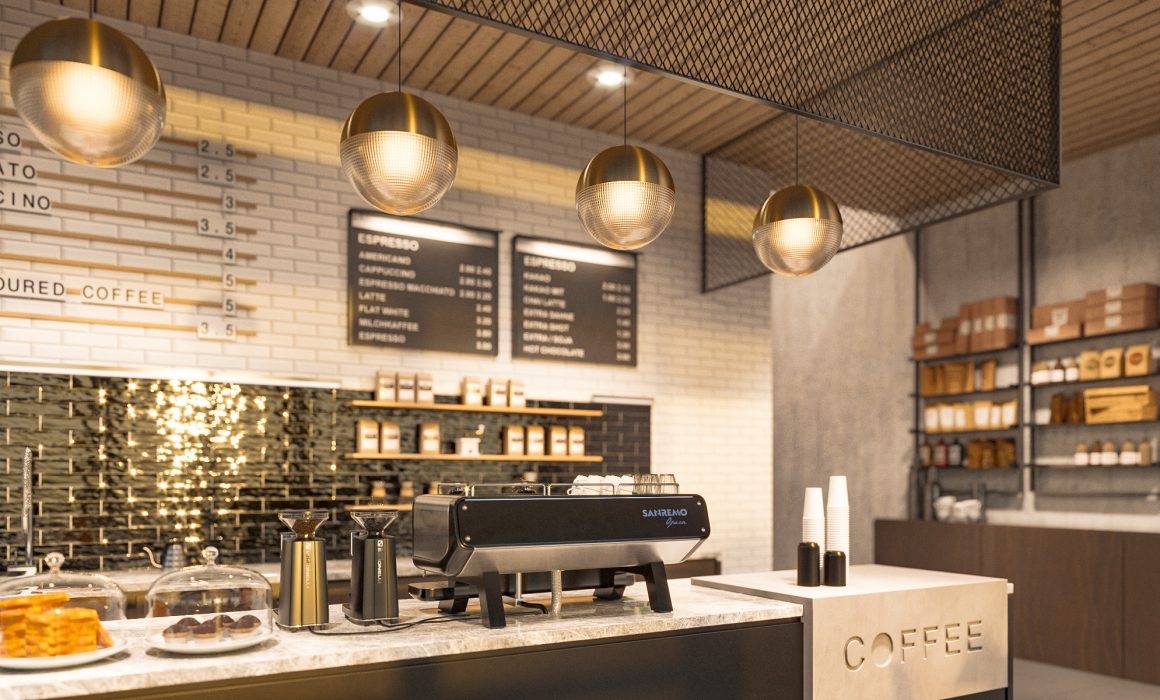
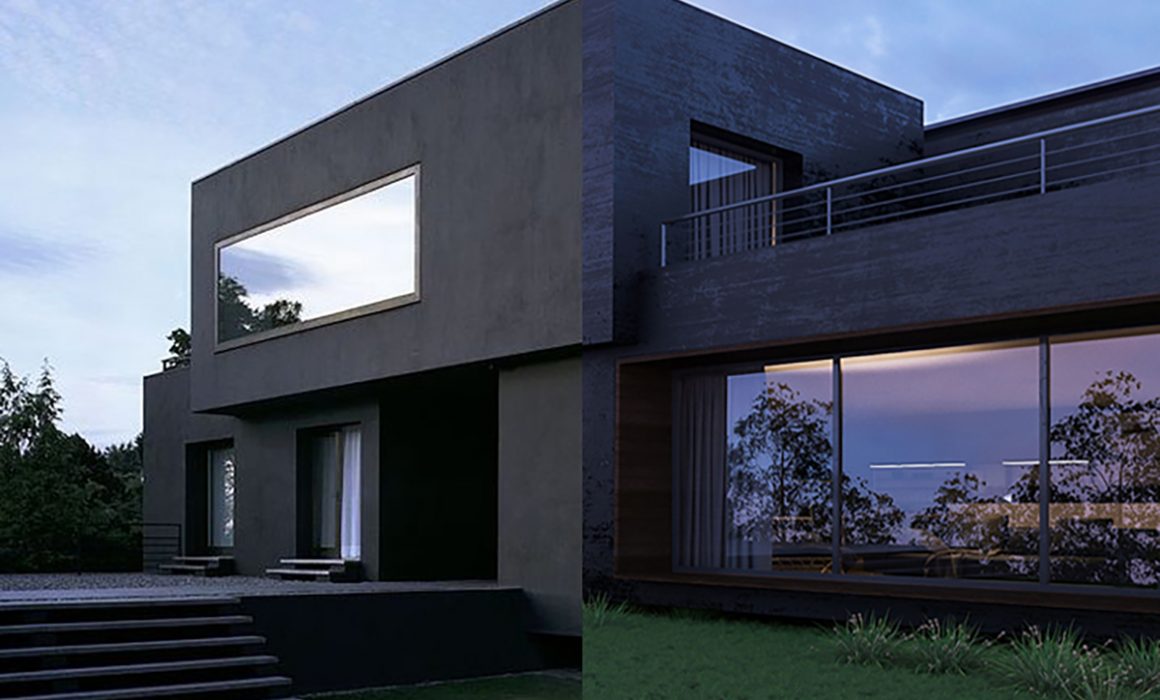
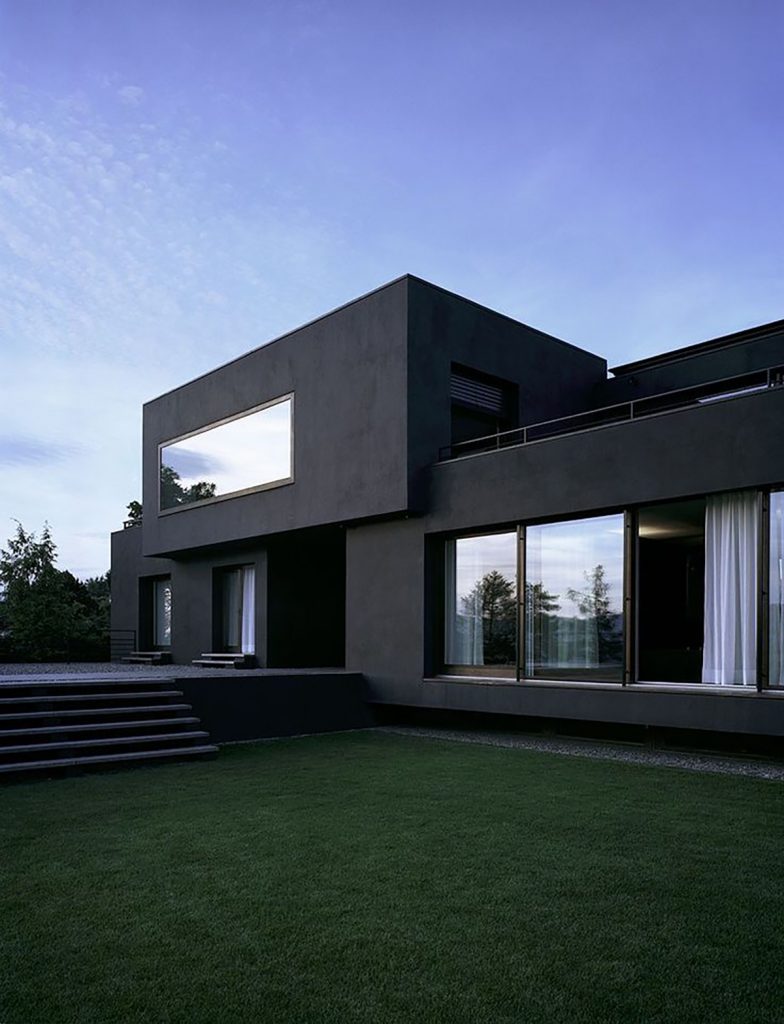
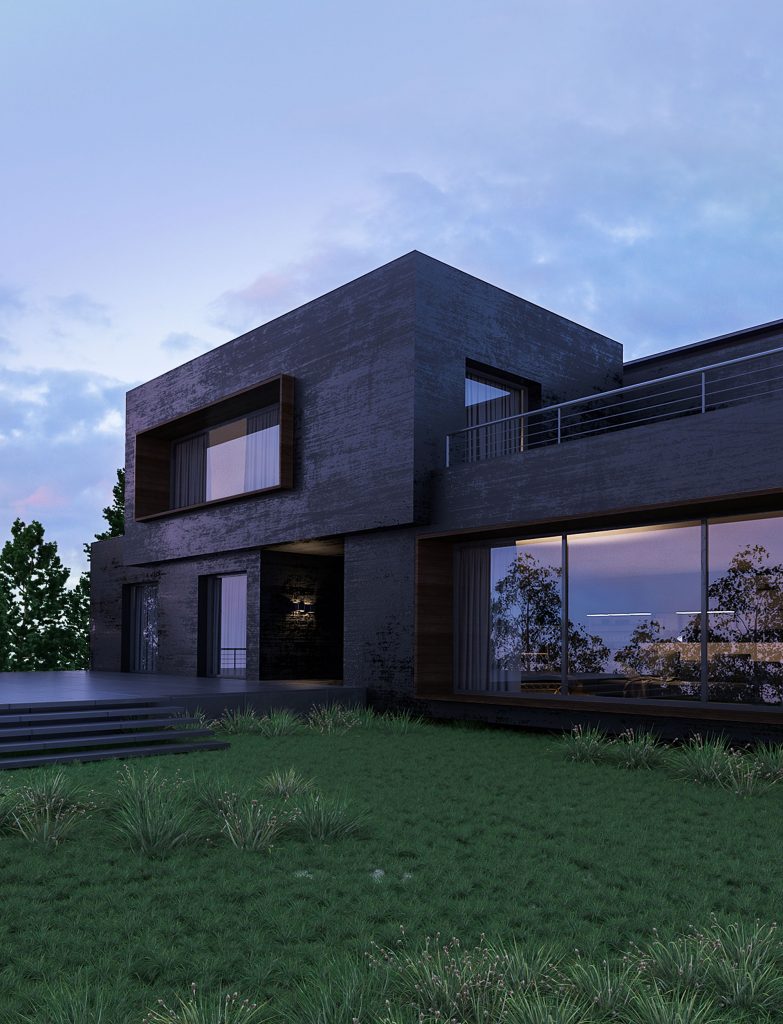
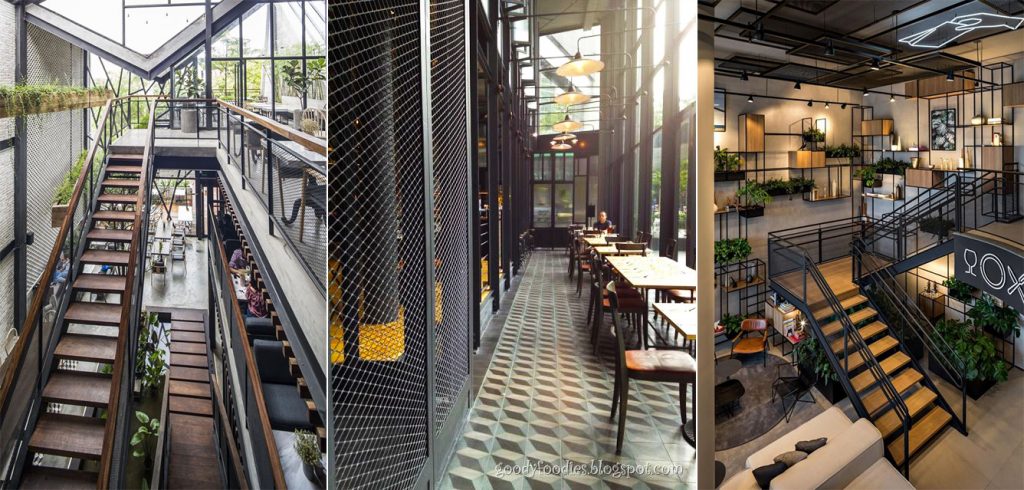
 Here are some reference images we looked into. The vibe we went for is industrial but with wood tones to add warmth.
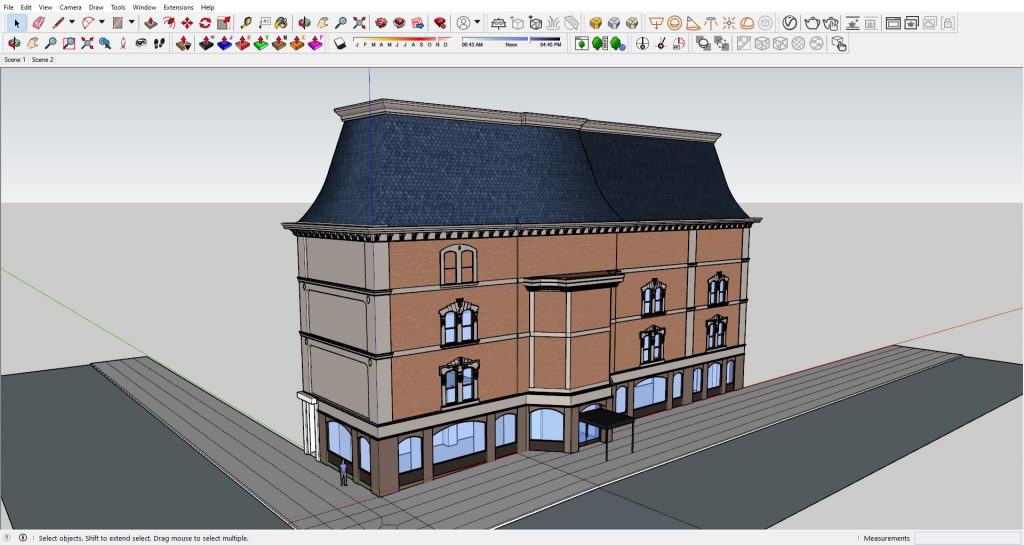
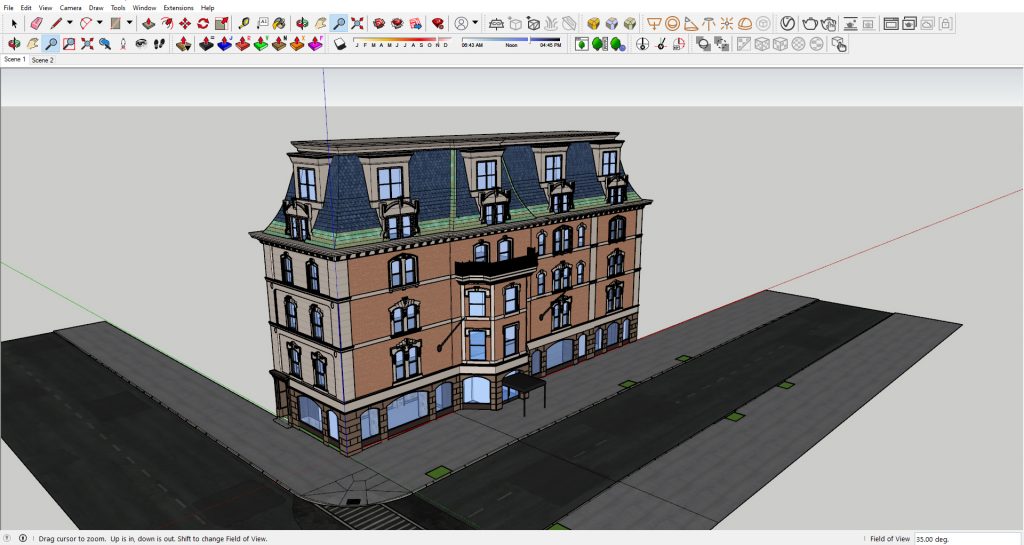
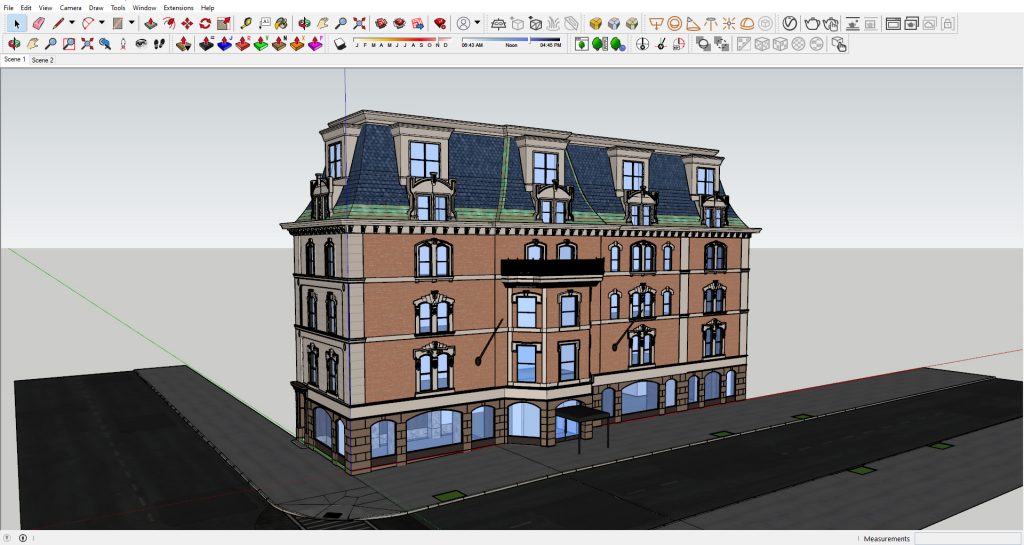
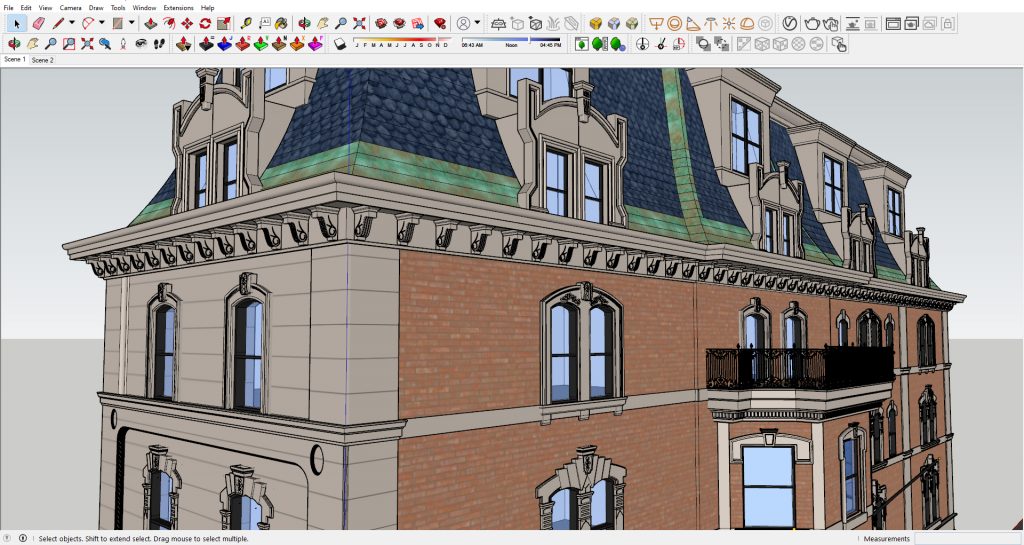
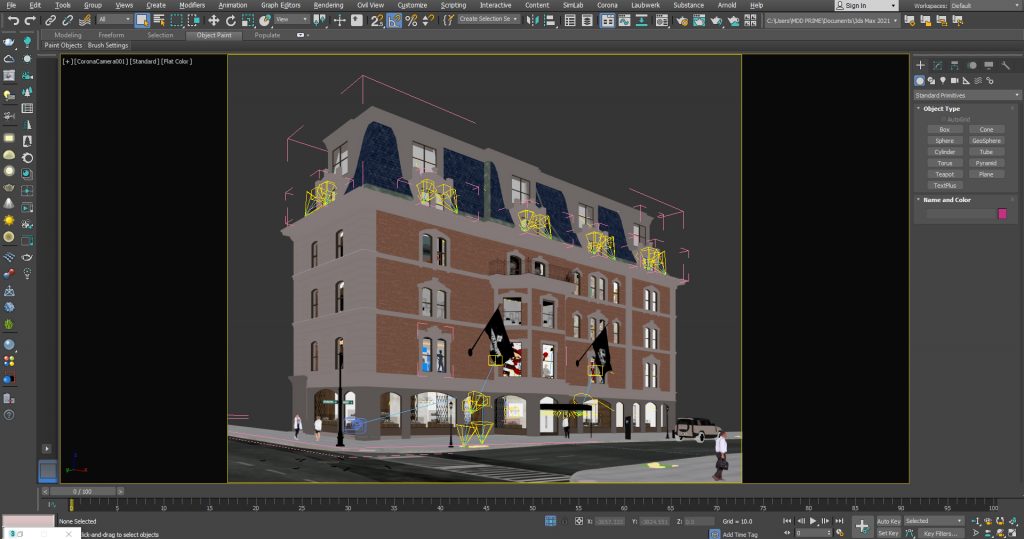
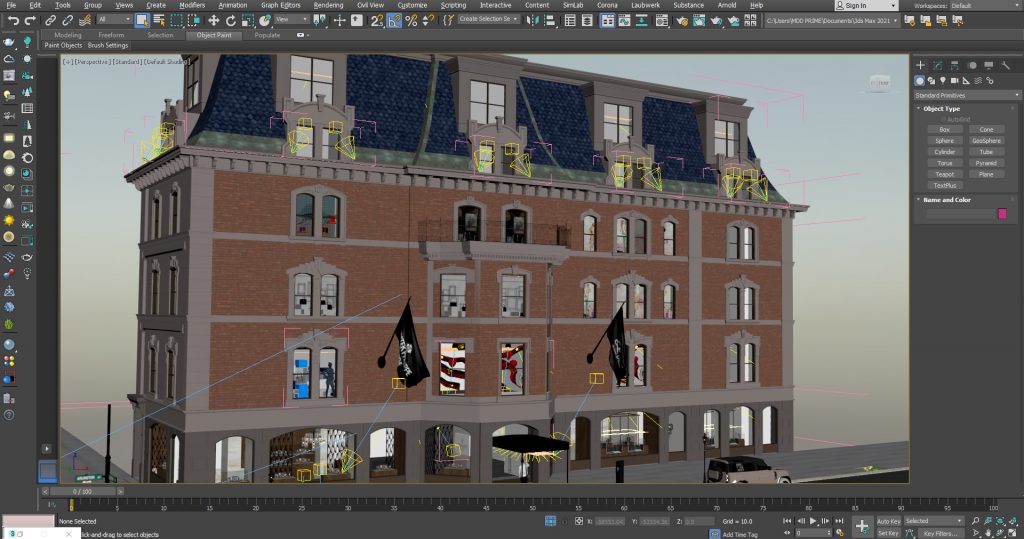
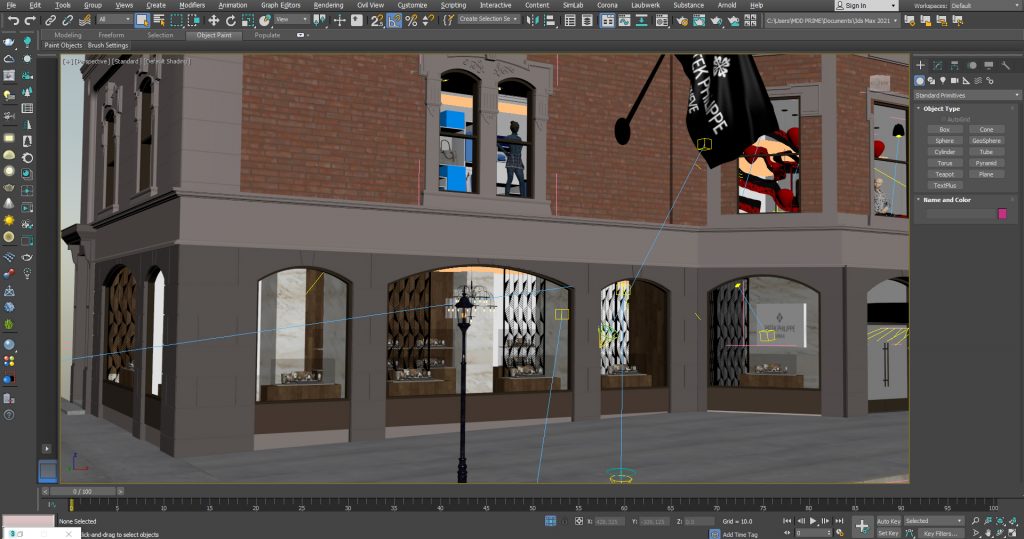
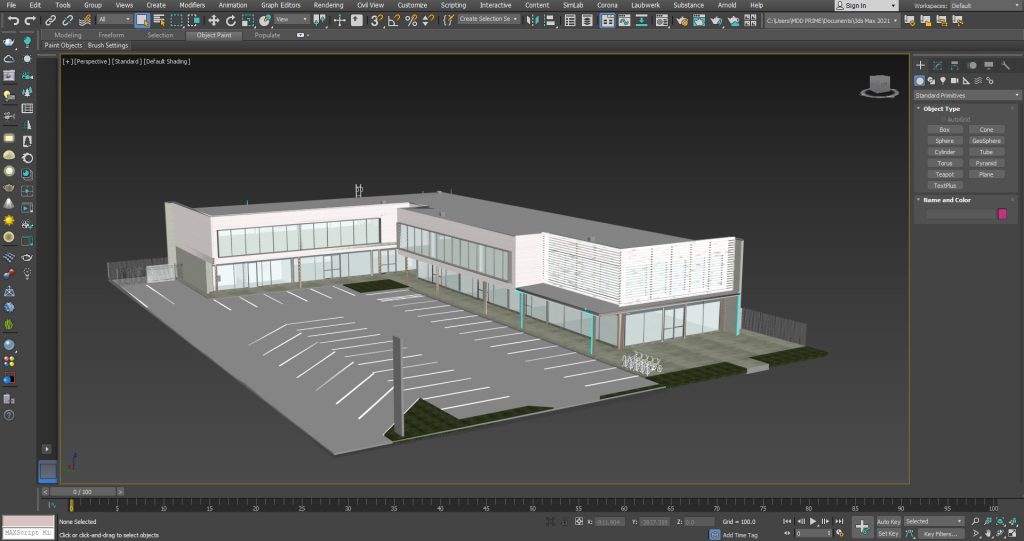
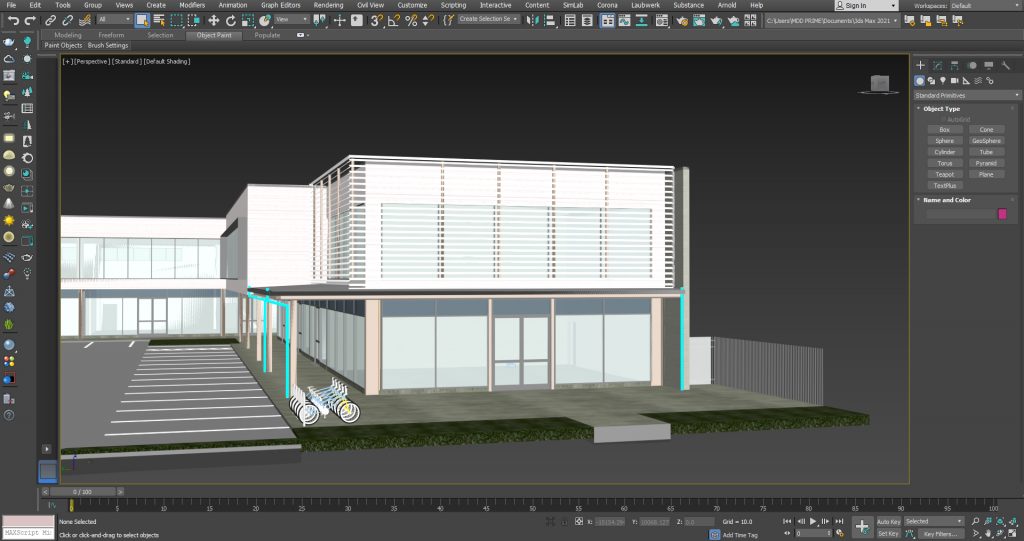
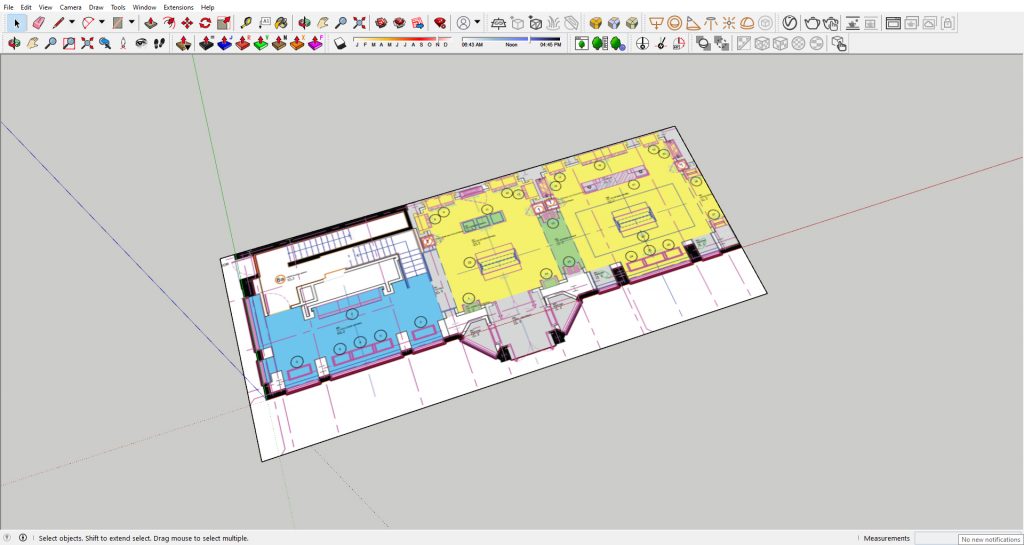
  Here is a screenshot of our 3D model file after some work done. Detailing is definitely the most tedious part of the process. We always put a lot of effort in this step because we believe details make or break a rendering.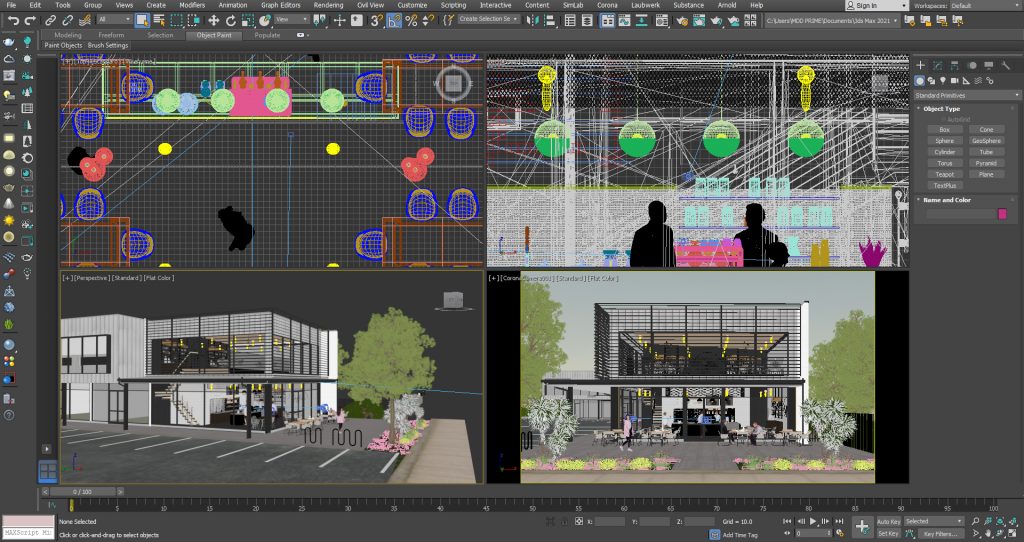
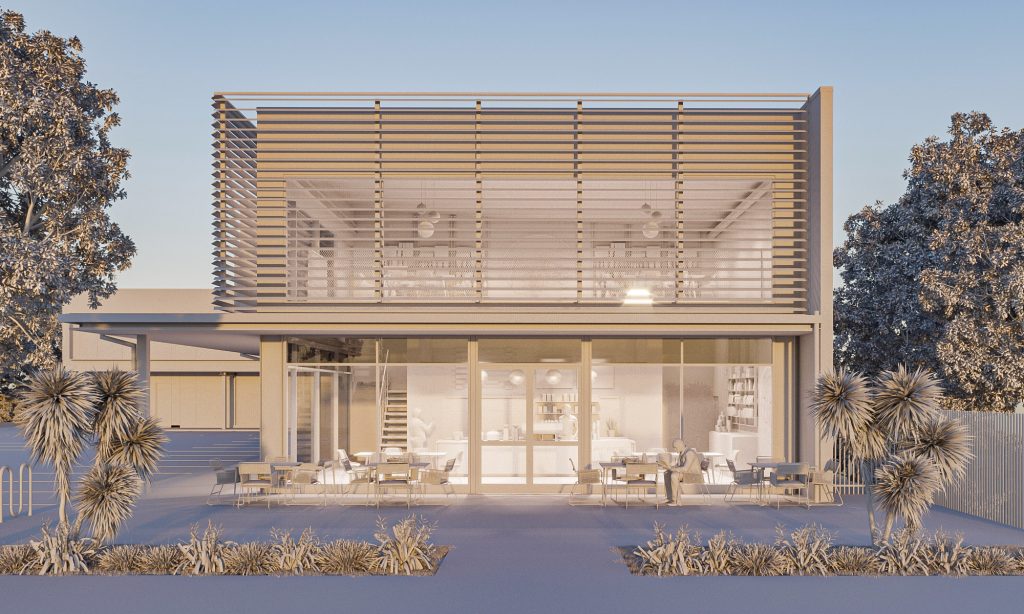
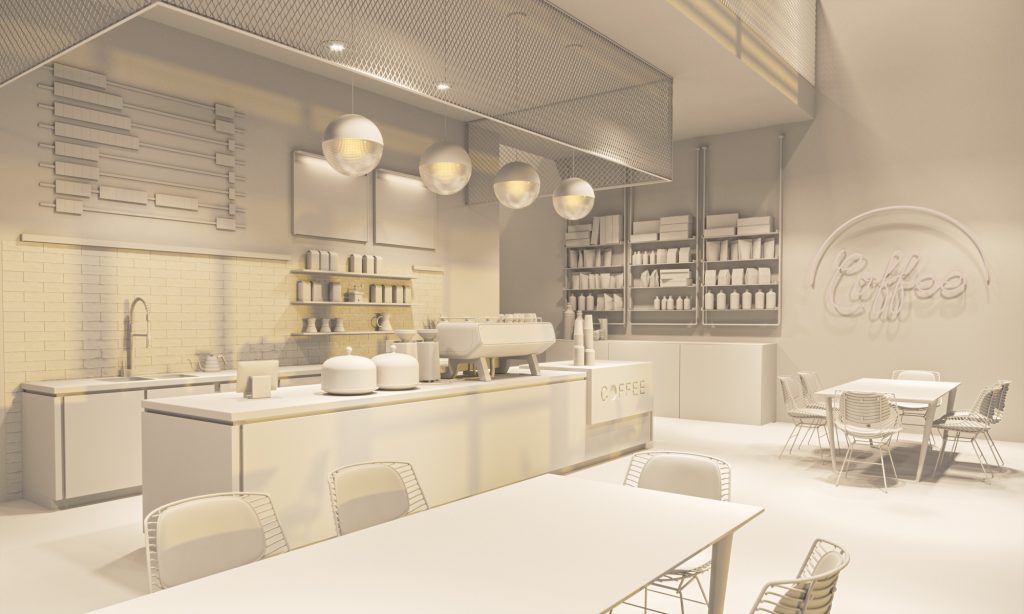
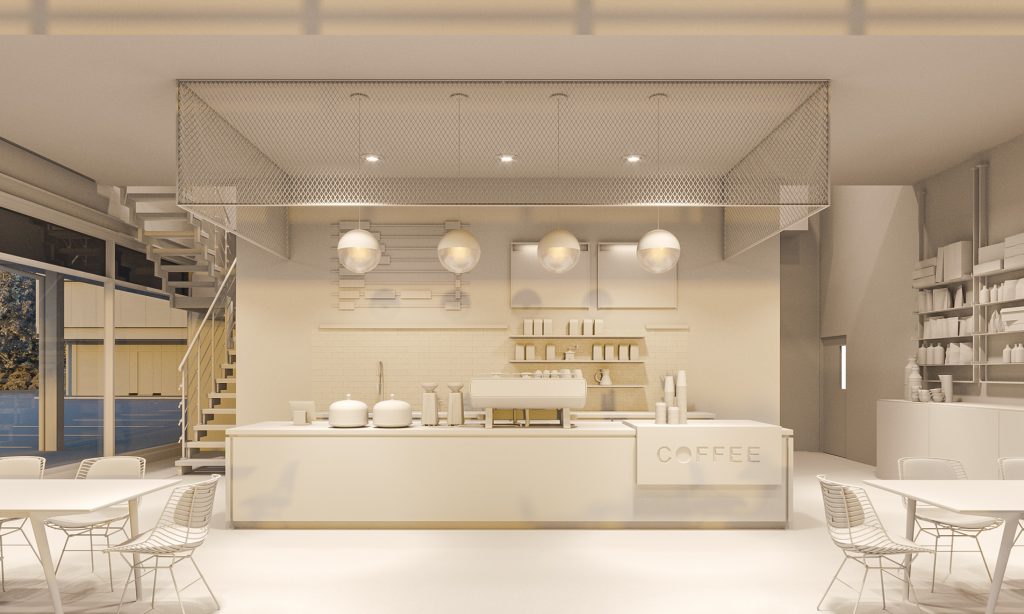
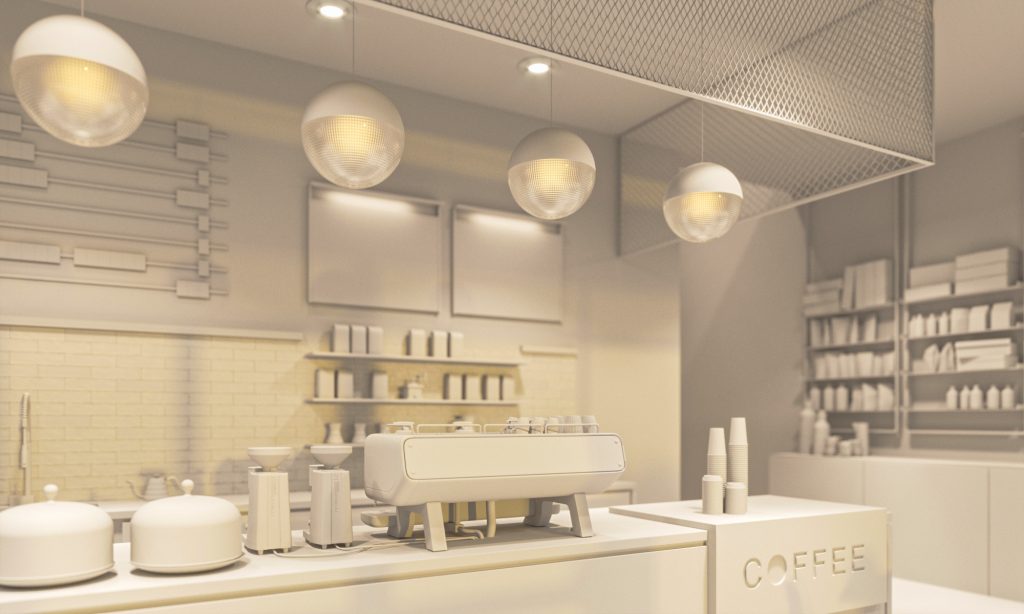
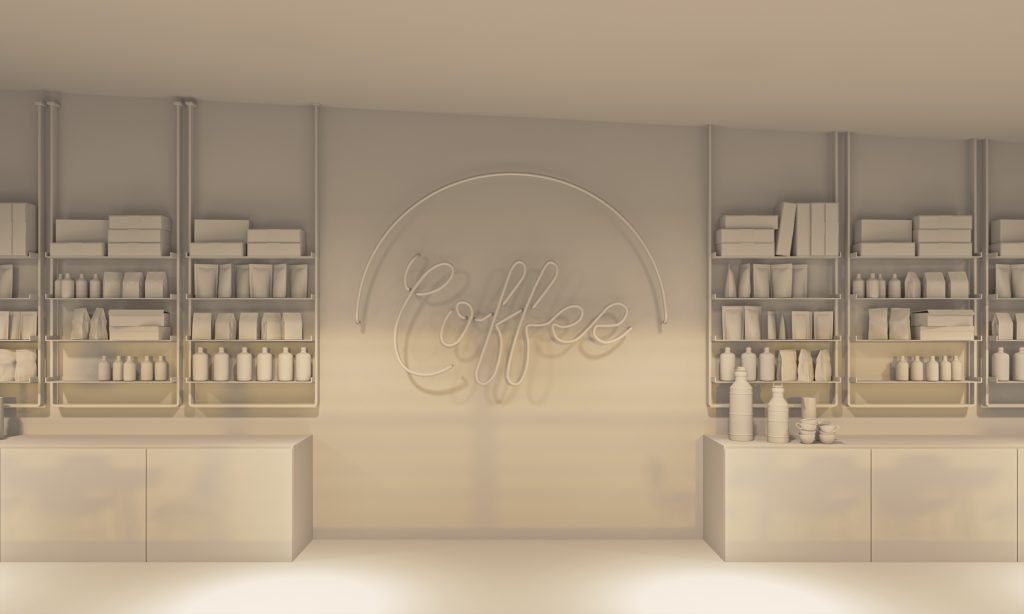
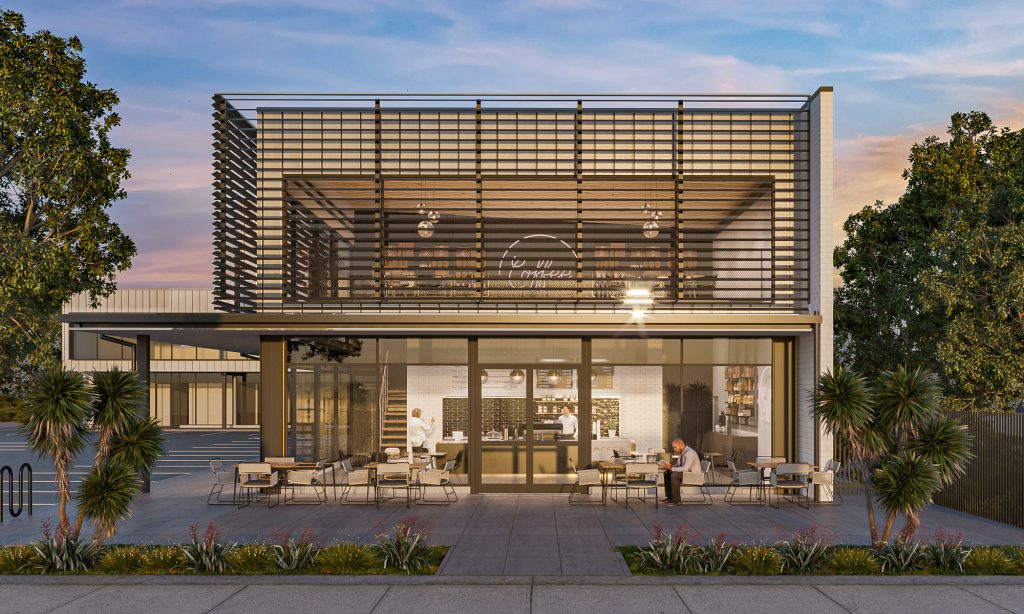
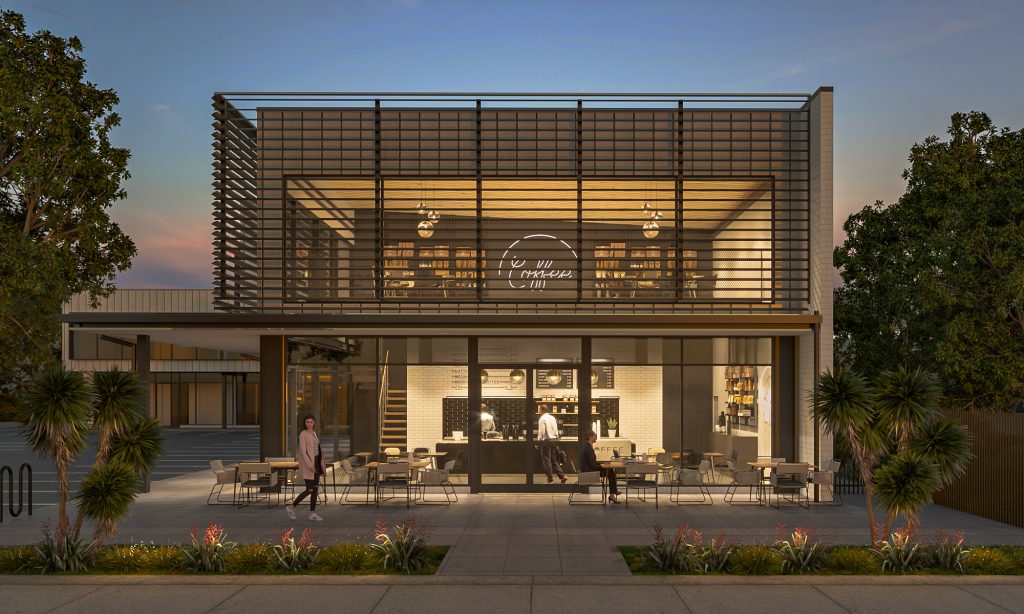
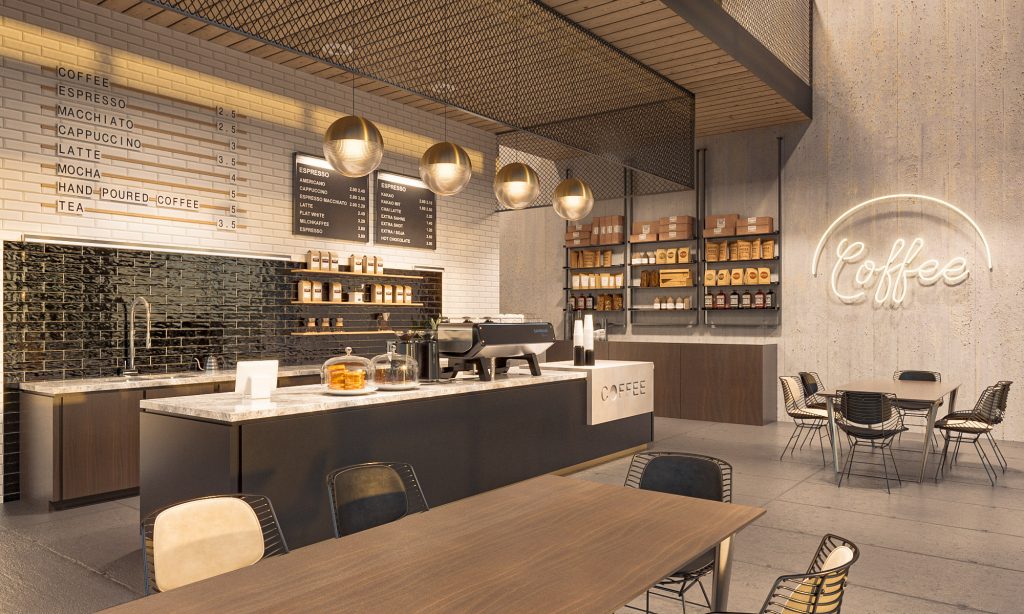
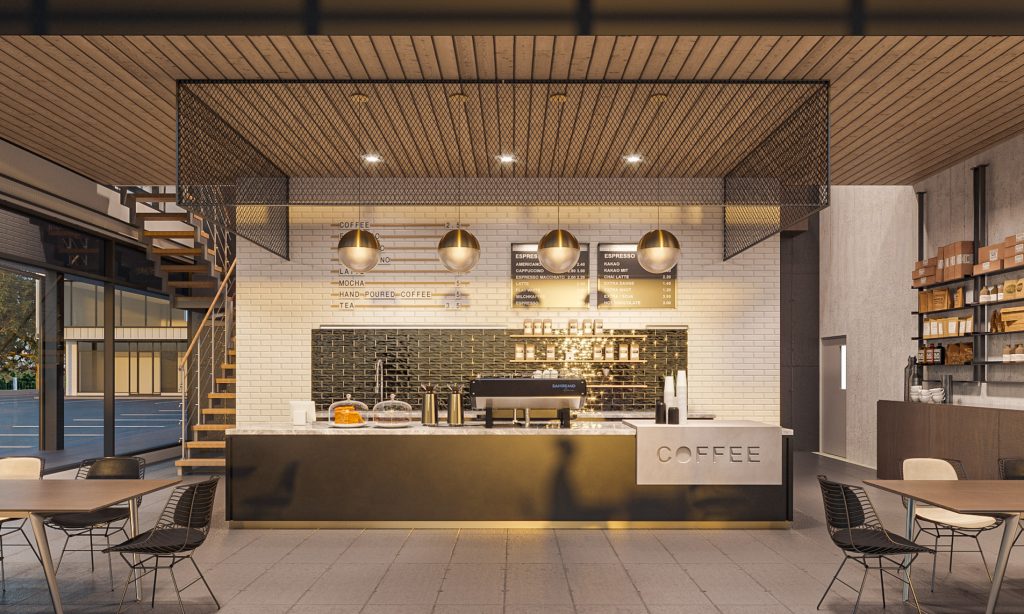
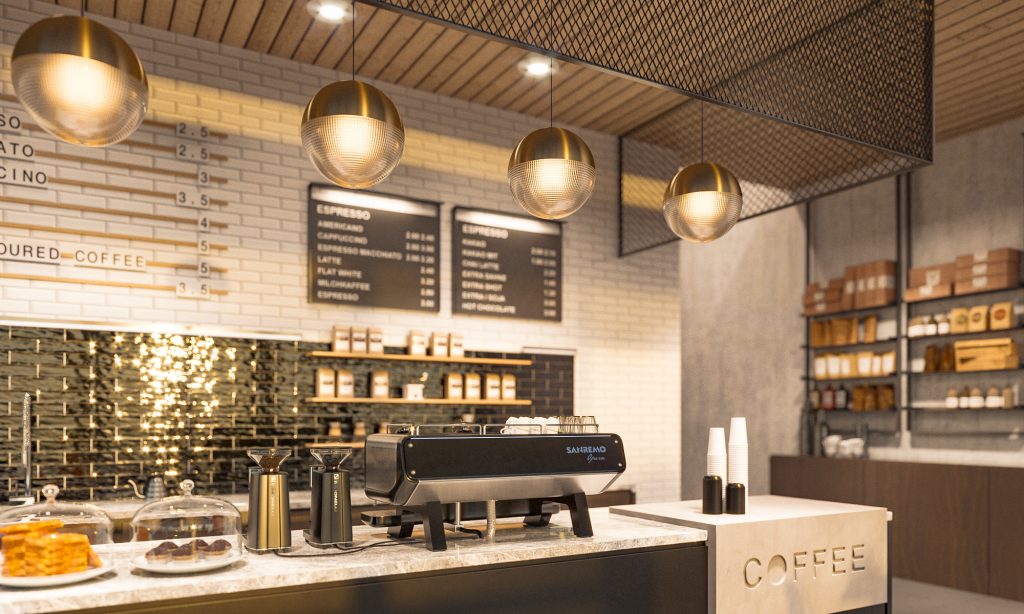
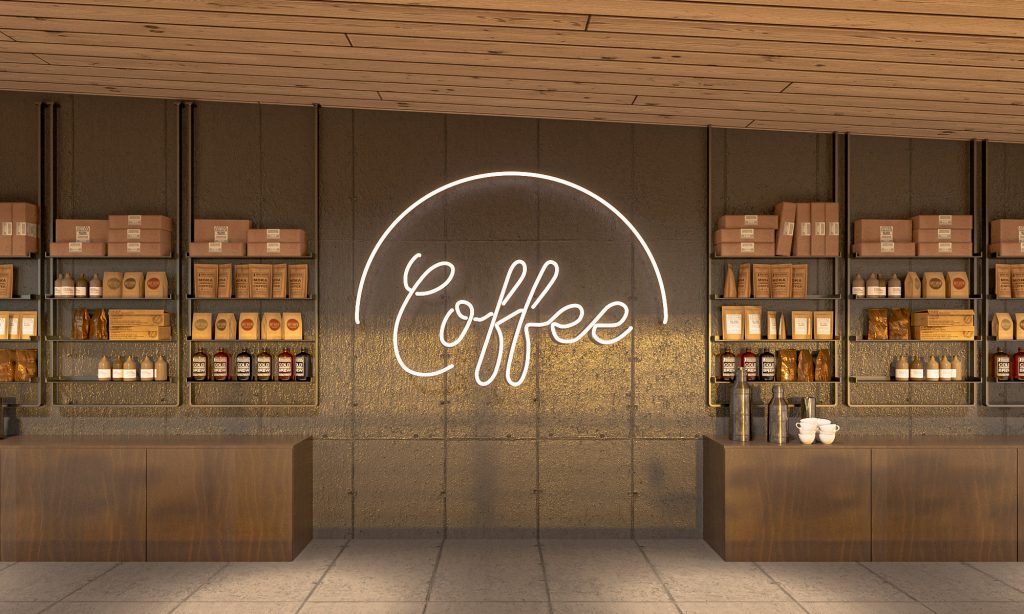
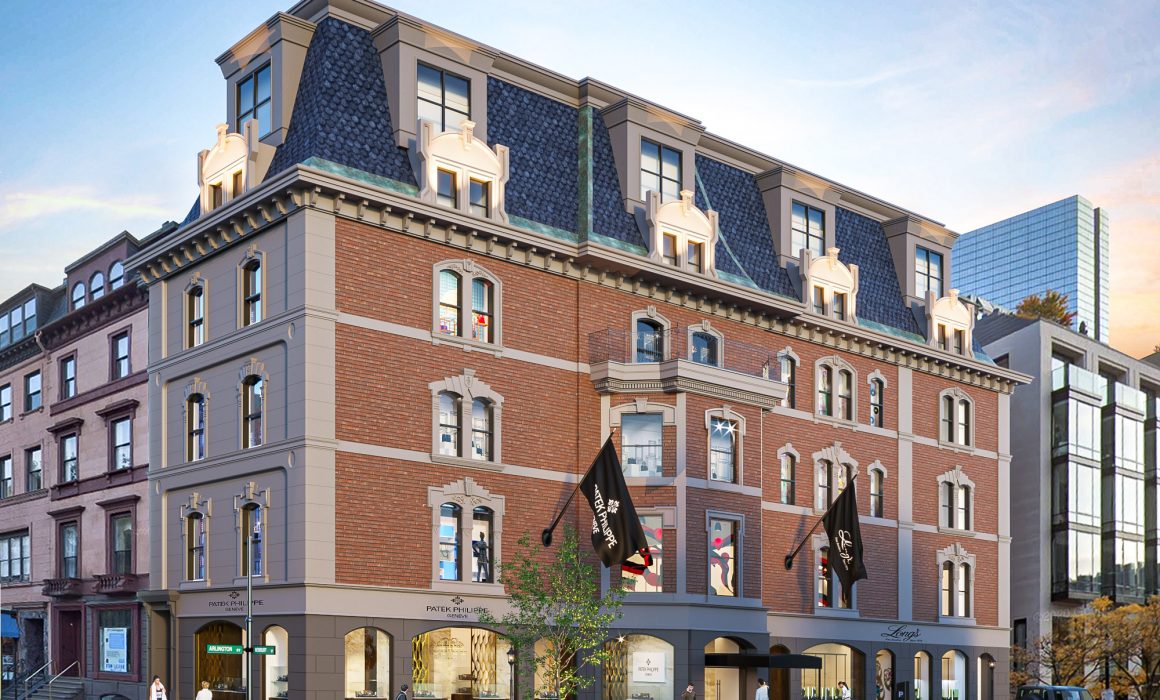
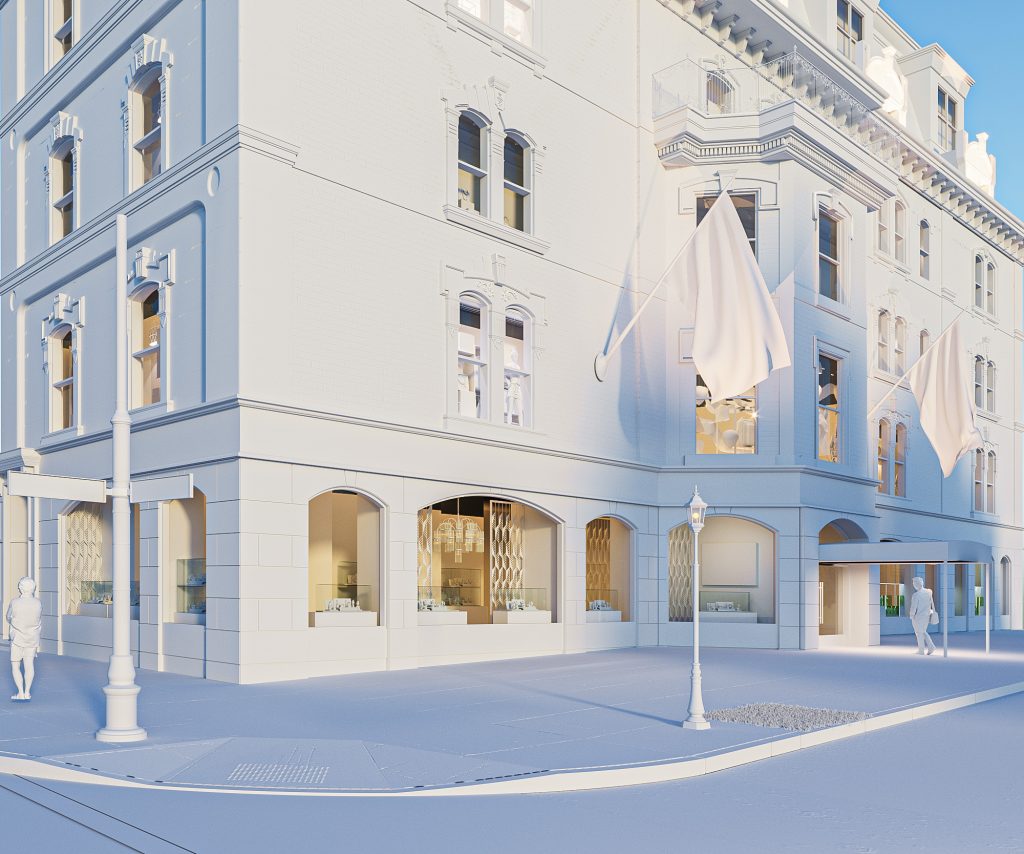
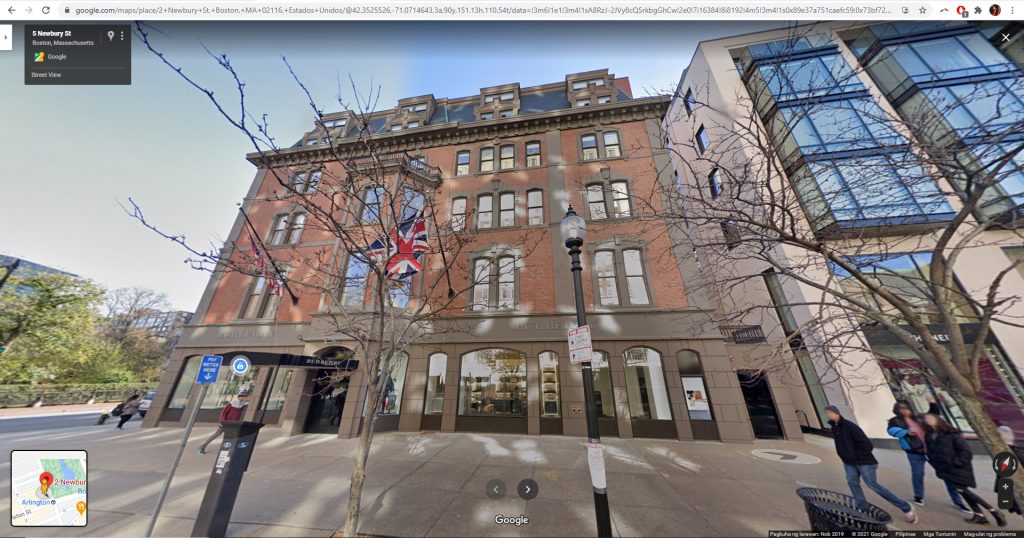
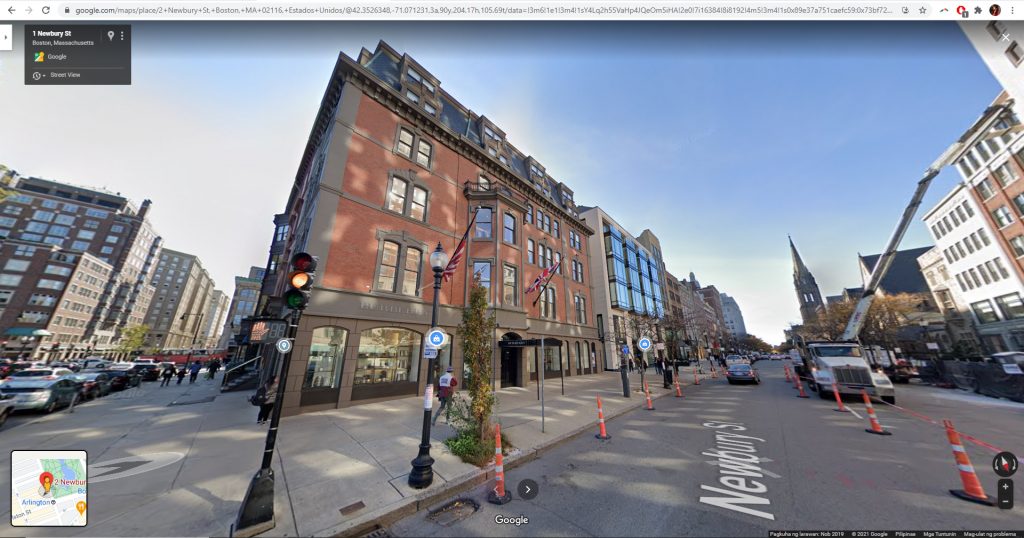
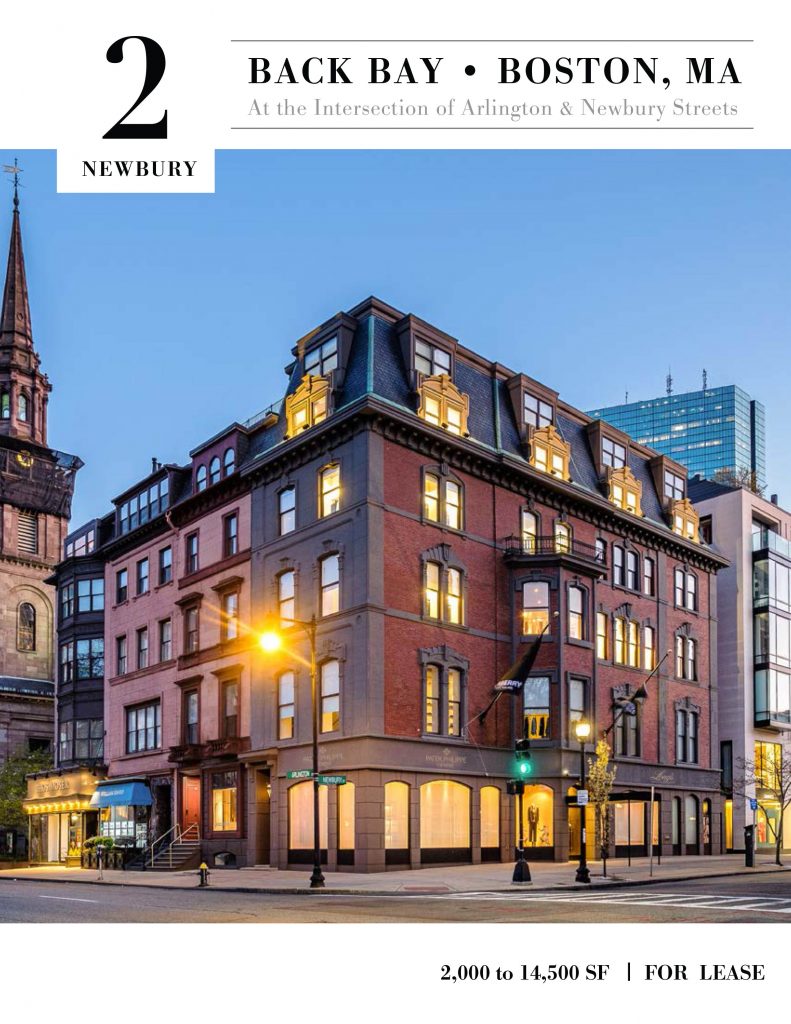 Photo from Client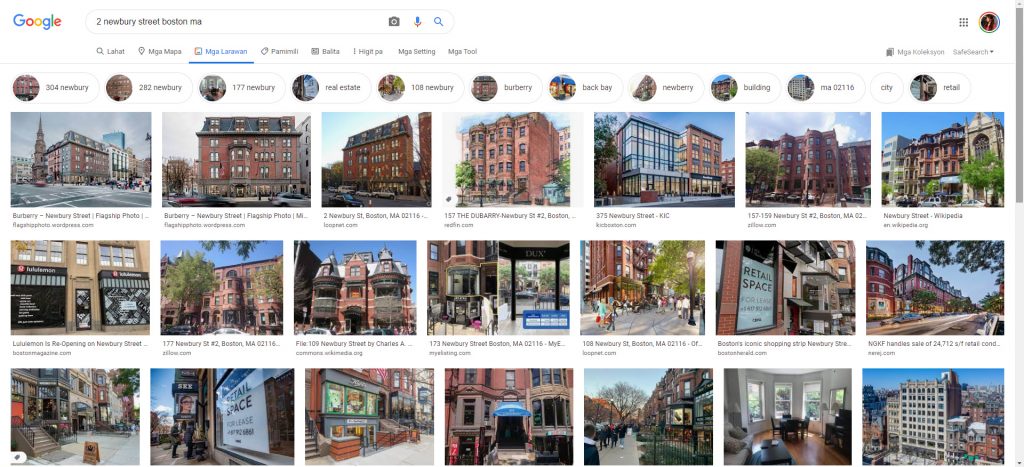
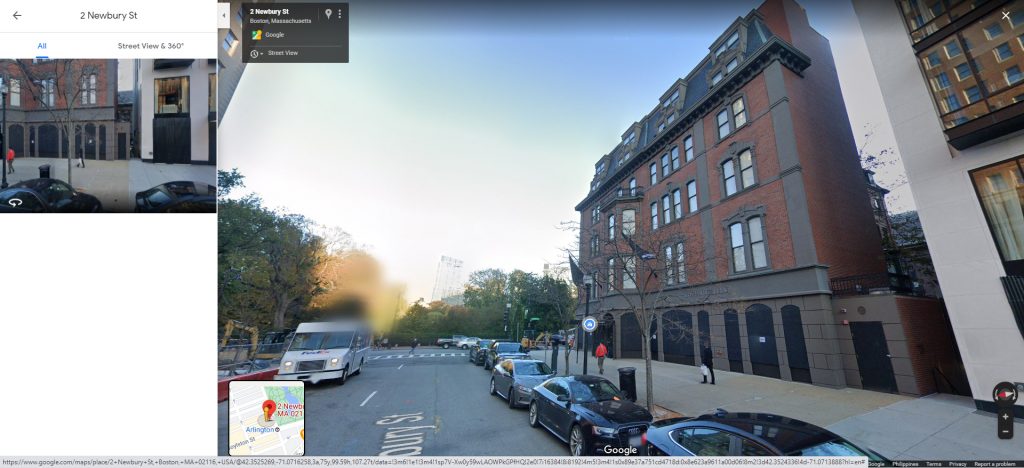
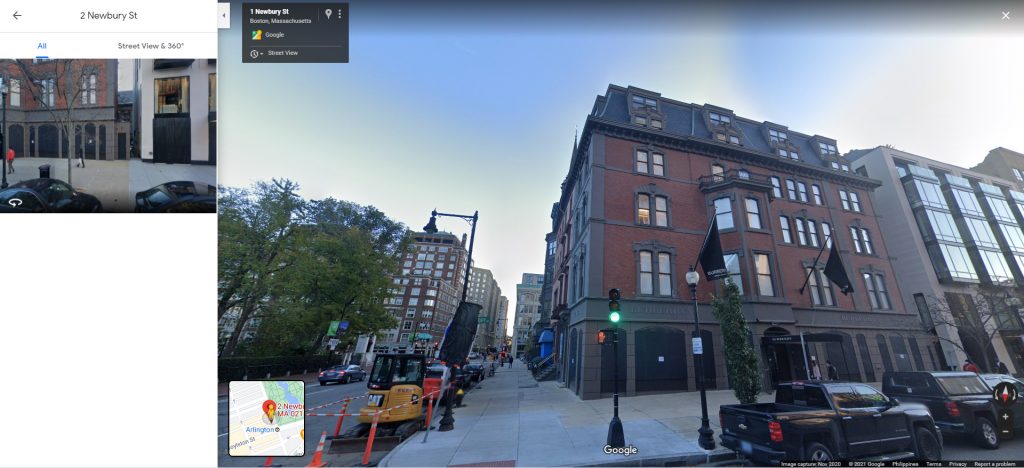
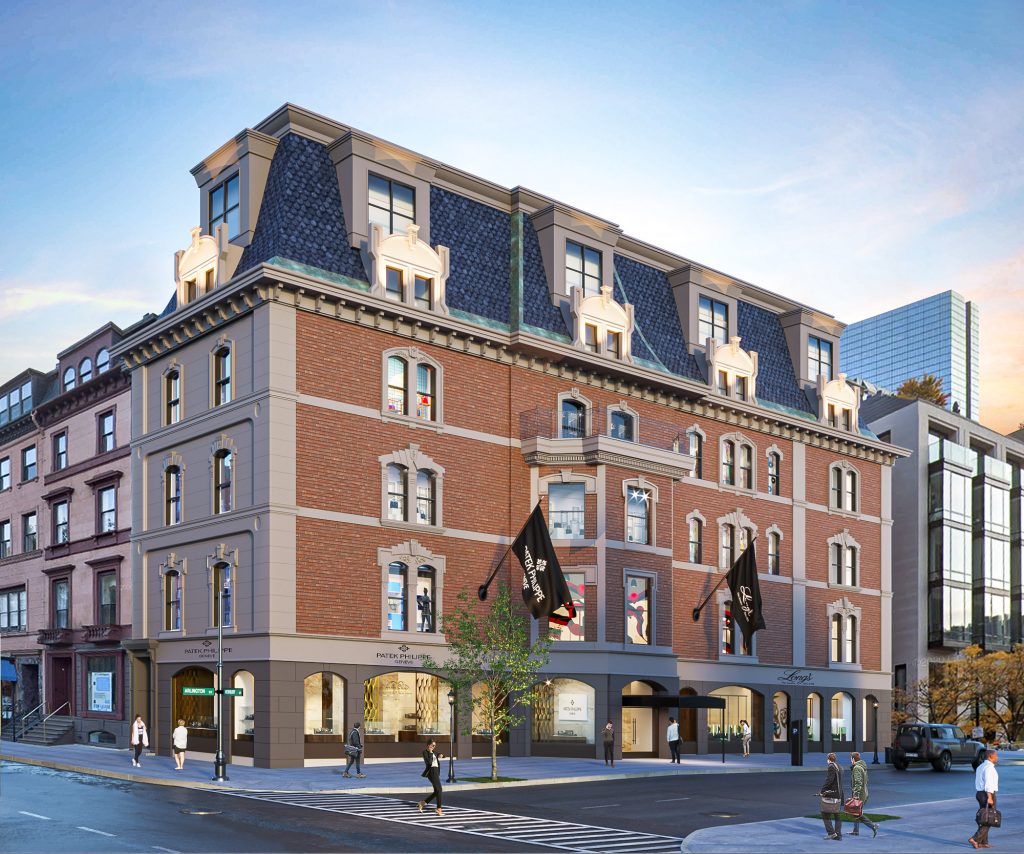
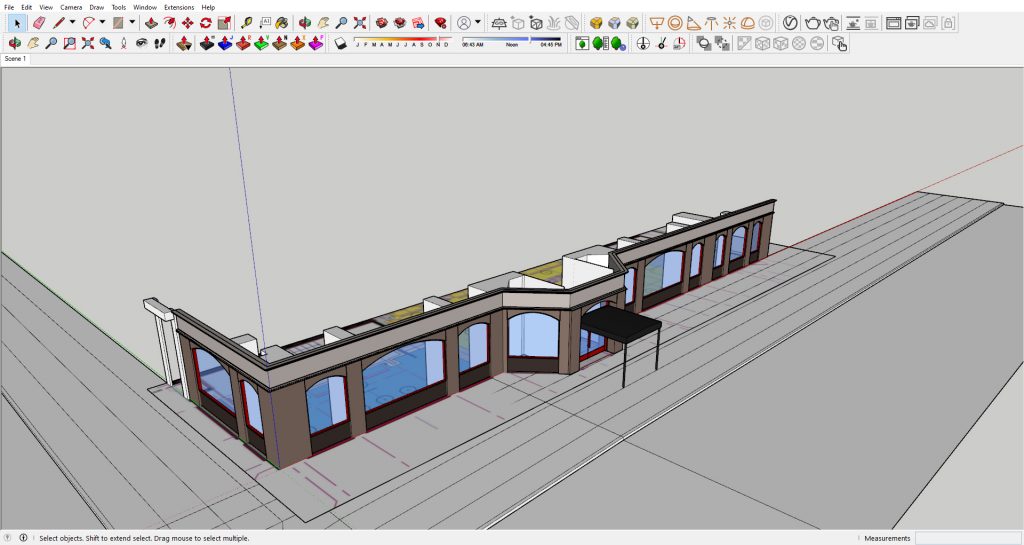 …and continue with the rest of the building.